Kitchen Remodel Cost in San Diego: What You’ll Really Pay in 2026

A kitchen remodel is exciting—until the numbers start coming in. One contractor says $28,000. Another says $65,000. Then you hear a neighbor spent over $90,000 in Del Mar, while someone in Mission Valley says they updated theirs for much less. So, what is the real kitchen remodel cost in San Diego in 2026? Still, the honest answer is this: it depends on the size of your kitchen, the finishes you choose, and how much work happens behind the walls. This guide breaks it down in plain English so you can plan smart, avoid overspending, and know when it is time to call a professional. Why Kitchen Remodel Costs Vary So Much in San Diego Many homeowners think kitchens are priced by cabinets and countertops alone. In reality, every remodel has layers of cost. For instance, a condo kitchen near Downtown San Diego may need HOA approvals, limited work hours, and elevator access. At the same time, a coastal home in La Jolla may need moisture-resistant materials. Meanwhile, an older home in North Park may need electrical updates before new appliances can go in. That is why two kitchens that look similar can have very different budgets. Once you understand what drives cost, pricing starts to make sense. Let’s look at the real numbers homeowners are seeing in 2026. Average Kitchen Remodel Cost in San Diego (2026) If you want a realistic starting point, most San Diego kitchen projects fall into three ranges. Basic Kitchen Remodel: $20,000 to $35,000 This level works well for homeowners who want a fresh look without changing the layout. It often includes: Stock cabinets New countertops Sink and faucet replacement Paint New lighting fixtures Standard appliance swaps This is common in condos, rental properties, or smaller homes in areas like Clairemont and Serra Mesa. If your kitchen layout already works, this range can stretch far. However, once walls move or plumbing changes, costs rise fast. Mid-Range Kitchen Remodel: $35,000 to $60,000 This is where many family homes land. It may include: Semi-custom cabinets Quartz countertops Tile backsplash New flooring Upgraded lighting Minor layout changes Better storage solutions This level is common in neighborhoods like Carmel Valley, Poway, and Rancho Peñasquitos. For many homeowners, this range offers the best mix of value and design. Thus, it improves daily life without pushing into luxury pricing. High-End Kitchen Remodel: $60,000 to $100,000+ This level focuses on premium finishes and major changes. It may include: Custom cabinets Luxury appliances Structural changes Large islands Designer lighting Smart home features High-end stone surfaces You often see this in homes near Coronado, Del Mar, and coastal properties with ocean views. Luxury kitchens can be stunning, but they require strong planning and a skilled builder. That leads us to what impacts the price the most. What Impacts Your Final Kitchen Remodel Price? The final kitchen remodel price still depends on the choices you make early in the process. 1. Layout Changes Moving a sink, gas line, or wall adds labor and permit work. Thus, keeping the same layout is often the fastest way to control costs. 2. Cabinet Selection As expected, cabinets usually take a large share of the budget. Stock cabinets cost less than custom-built options. 3. Material Choices Quartz, granite, tile, hardware, flooring, and fixtures all affect your total. 4. Age of the Home Older San Diego homes may need plumbing, electrical, or framing updates to meet code. 5. Permit Requirements The City of San Diego may require permits for electrical, plumbing, and structural work. This protects your home, but it adds time and cost. While many homeowners focus only on finishes, hidden items behind the walls often change budgets more than countertop colors ever will. Kitchen Remodel Cost Per Square Foot: Is It Useful? Some homeowners ask about the kitchen remodel cost per square foot. It can help, but only as a rough guide. In San Diego, many remodels fall between $150 and $350+ per square foot, depending on finishes and scope. Still, kitchens are not like flooring projects. A small kitchen with custom cabinets can cost more than a large kitchen with basic materials. Hence, use square foot pricing as a reference, not a final answer. A real on-site estimate is always more accurate. Typical Installation Costs and What They Cover Indeed, labor is a major part of any remodel. Skilled trades are worth the investment because kitchens involve plumbing, electrical, carpentry, and finish work. Typical installation costs may include: Demolition and debris removal Cabinet installation Countertop templating and install Plumbing hookups Electrical upgrades Appliance installation Flooring installation Painting and trim work That is where a professional team helps most. Professional installation protects your materials and prevents expensive future repairs. Now that you know what labor covers, let’s talk about avoiding waste. How Homeowners Overspend on Kitchen Renovation Costs Overall, overspending usually does not happen from one big mistake. It happens through many small decisions. Common examples include: Changing Plans Mid-Project Moving outlets or redesigning the island after work starts can create delays and extra charges. Buying Cheap Materials Twice Low-cost fixtures often wear out sooner and need replacement. Hiring the Cheapest Bid A low bid may leave out permits, cleanup, or proper workmanship. Ignoring Storage Needs Pretty kitchens that lack storage often disappoint after move-in. Smart planning keeps kitchen renovation costs under control. It also creates a better final result. When Should You Call a Professional Contractor? Of course, some cosmetic updates are DIY-friendly. Painting walls or replacing hardware can be manageable. However, you should call a licensed kitchen renovation contractor in San Diego when the project involves: Plumbing changes Electrical work Cabinet installation Structural changes Flooring throughout the kitchen Permit coordination Full project management If you live in older areas like South Park or Normal Heights, hidden issues are common once demolition begins. That is where IO Builders Group adds value. An experienced builder helps solve problems before they become expensive surprises. Questions Homeowners Ask Before Remodeling Planning feels easier when you have answers, so here are the
How to Plan a Kitchen Remodel in San Diego Without Costly Mistakes

A kitchen remodel can be one of the most exciting home projects. Picture a space that fits your lifestyle perfectly—better storage, more counter space, and a fresh, modern look. But before you start tearing down walls and picking out appliances, there’s a crucial first step involved—kitchen remodel planning. Without a clear and thoughtful plan, even the simplest remodel can quickly spiral into a costly, stressful mess. In San Diego, where homes come in all styles, from cozy bungalows in North Park to luxurious estates in La Jolla, kitchen remodels can be particularly tricky. This guide will help you plan your kitchen remodel with confidence, ensuring that you stay on track, avoid common mistakes, and create a space that is functional, stylish, and worth the investment. Why Kitchen Remodel Planning Matters in San Diego San Diego is home to diverse kitchens, and each neighborhood offers its own set of challenges and opportunities when it comes to remodels. From historic homes in Old Town to modern condos in Downtown, it’s crucial to consider both your personal needs and the unique conditions of your home. For example, if you live by the coast in Pacific Beach or Coronado, you’ll need to choose materials that can handle the salty air and humidity. In addition, San Diego’s building codes might require special permits, especially if you’re planning to make structural changes or move plumbing around. That’s why kitchen remodel planning is essential. It helps you avoid budget overruns, delays, and design regrets. By thinking things through, you can create a kitchen that’s functional, beautiful, and built to last. Step 1: Define Your Kitchen Remodel Goals When Planning Before you start picking out cabinets or countertops, take a moment to think about what you really want. Do you need more space for family meals? Are you looking for an updated, modern kitchen to match your home’s style? Or is your focus on adding value for a future sale? Knowing your goals upfront will guide every decision you make, from layout to materials. Without clear objectives, it’s easy to get distracted by design trends that aren’t a good fit for your home. Whether you’re dreaming of a high-end kitchen in a La Jolla mansion or a budget-friendly upgrade in a Mission Valley condo, your goals will help you stay on track and make smarter choices. Step 2: Set a Realistic Kitchen Remodel Budget One of the most important parts of kitchen remodel planning is setting a budget. Without a clear idea of how much you’re willing to spend, you might find yourself overspending, especially if you fall in love with pricey finishes or custom designs. Kitchen remodels in San Diego can range from $20,000 to $75,000 or more, depending on the scope of the project. Here’s a simple budget breakdown to help you get started: As you create your budget, don’t forget to add a little extra to cover unexpected costs like plumbing issues or design changes. You’ll also want to consider financing options, especially if you are taking on a large-scale remodel. Step 3: Redesign Your Kitchen Layout for Maximum Efficiency When it comes to kitchen remodel planning, the layout should always come before the finishes. Many homeowners get excited about picking out new cabinets and countertops. But in reality, the layout is what truly makes or breaks a kitchen remodel. You want a space that works well for your lifestyle and daily routine. Start by thinking about how you move around in your kitchen. Do you entertain often? If so, an open layout that connects your kitchen with your living or dining room might be a good fit. If you cook at home most nights, focus on improving the work triangle—the flow between the sink, stove, and refrigerator. For example, in San Diego, where the weather is often sunny and mild, homeowners in areas like La Jolla and Ocean Beach are increasingly choosing open kitchens that flow into outdoor spaces. This trend not only improves functionality but also adds value to your home. Step 4: Choose Materials and Finishes That Fit Your Budget and Style After you’ve nailed down the layout, it’s time to pick materials. This is where many homeowners make costly mistakes by choosing the wrong materials for their needs. In San Diego, where the weather and humidity can vary, it’s essential to choose materials that are both stylish and durable. If you live in coastal neighborhoods like Pacific Beach, look for finishes that can withstand the salty air. Quartz countertops, for example, are a durable and low-maintenance choice. Meanwhile, if you live in inland areas like Rancho Santa Fe, you might want to opt for natural wood or granite. Think about the long-term upkeep of your materials as well. If you choose a high-maintenance option, make sure it fits within your lifestyle. Whether you’re investing in luxury materials or opting for more affordable alternatives, be sure to consider your kitchen’s overall function and durability. Step 5: Hire the Right Kitchen Contractor When Planning a Remodel Now comes one of the most important steps in kitchen remodel planning: hiring the right contractor. The right professional will help you avoid common mistakes, stick to your budget, and ensure that everything is done to code. When choosing a kitchen remodel contractor in San Diego, look for someone with experience and knowledge of local building codes. San Diego has strict regulations for home remodels, especially if you live in historic areas like Old Town or Mission Hills. You’ll want a contractor who is familiar with these rules and can help you navigate the permit process smoothly. To ensure your remodel goes smoothly, don’t miss our full guide on home remodeling permits in San Diego. A good contractor will also have a strong network of suppliers, which can help you get the best materials at a reasonable price. Most importantly, they will keep your project on track and deliver the results you’re looking for. Planning a Kitchen Remodel? Consider Costs in San Diego Before we dive
Retaining Wall Design for Sloped Properties in San Diego

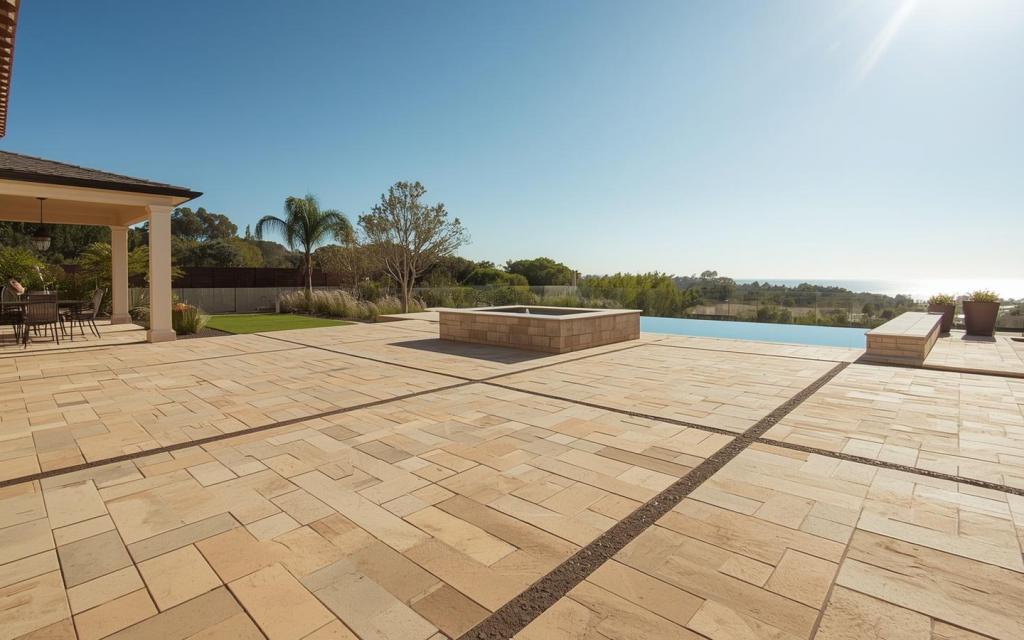
If you live on a hillside in San Diego, you know how fast your yard can change during a winter storm. With one heavy rainfall, the soil starts to shift, wash out, or feel unsafe. That is where smart retaining wall design steps in before the damage grows. A well-built wall doesn’t just hold the ground in place. It also protects your home, shapes your outdoor space, and gives you a chance to enjoy the view you fell in love with. In this guide, we’ll look at how retaining walls support sloped properties, the design options available, and how IO Builders Group helps homeowners turn steep, unused slopes into safe and welcoming spaces. Why Retaining Wall Design Matters on San Diego Slopes Hillside homes in La Jolla, Scripps Ranch, and Point Loma offer beautiful views, but the slopes behind them can bring real stress. When a wall is not designed well, it can crack, lean, block drainage, or even put nearby structures at risk. Thus, a strong retaining wall design starts with understanding your soil, the angle of the slope, and the way water moves across your property. A well-built wall holds the ground in place, manages water in a safe way, and creates level space you can use. That might mean a patio, a small lawn, or a safe walkway around the home. At IO Builders Group, we plan your wall around how you hope to use the space years from now, not just the immediate repair. Local Conditions That Shape Retaining Wall Design in San Diego Building a retaining wall in San Diego brings challenges you won’t find in flat or rainy regions. Our soil, weather, and coastal air play a big part in how long a wall will last. Here’s what every homeowner should know: Soil that shifts between clay and sand, especially after long dry months Short seasons of heavy rain that put sudden pressure on hillside walls Coastal air in places like Pacific Beach and Ocean Beach that adds moisture and salt Local building codes that require engineering for taller walls or walls near property lines Because of these conditions, your wall must be more than a simple structure. Hence, it needs a retaining wall design that works with your entire property. At IO Builders Group, we study your drainage, slope, soil, and nearby structures before we suggest any layout. This approach also gives you a wall that looks clean and stays strong for years. With the groundwork set, let us take a closer look at the retaining wall styles that work best for hillside homes. Retaining Walls for Sloped Yards: Designs That Work for San Diego Homes San Diego’s hills create spaces full of potential, yet they also demand smart structural choices. Each retaining wall design has its own strengths, and choosing the right one can turn a steep backyard into a space you feel safe using. These are the styles that fit both the slope and the look of your San Diego property: Gravity Retaining Walls Built from block, stone, or concrete, gravity walls use weight to secure the slope. They suit shorter rises and bring a strong, classic look. Cantilever Retaining Walls Cantilever walls use reinforced concrete and a hidden base that sits under the soil. They support taller slopes and tight areas where stability matters most. Segmental Retaining Walls Segmental walls lock into place with special block systems. That is why homeowners often choose them for their modern look and flexible layout. Water Retaining Walls In yards with pools, ponds, or heavy runoff, a water retaining wall offers added support. It manages soil and water in one structure and protects nearby surfaces at the same time. Terraced Retaining Walls Terraced designs stack multiple low walls at different levels. They break up a steep slope, opening room for gardens, walkways, or small seating areas. Once you know which retaining wall design fits your needs, the next step is creating the right drainage plan. This measure protects your wall and your home through San Diego’s wettest months. How to Prevent Erosion on a Sloped Property with Smart Design When heavy rain hits San Diego, muddy water can rush across a hillside yard fast. That movement puts real pressure on any retaining wall. Strong erosion control keeps your slope stable and protects the investment you make in your outdoor space. Here are the key steps we use to control water before it causes damage: Gravel backfill that lets water move through the soil instead of pushing against the wall Perforated drain pipes that guide water away from the slope with steady control Outlets placed in safe locations to release water without flooding your yard Site drainage systems tied into the street or an approved runoff area on steep lots Surface-water planning that manages roof runoff, patio slopes, and overflow paths Groundcover plants, mulch, and stone channels that slow water on long slopes in areas like Rancho Bernardo and Tierrasanta Once the water moves in the right direction, your wall can then do its job without stress. This opens the door to a yard that feels safe, stable, and ready for real use. Now that you can see a clear plan for your space, the next big question is which material will look good and last. Materials and Styles for Retaining Wall Design in Hillside Homes Homeowners often ask, “What’s the best material for my wall?” The answer depends on your style, budget, and how visible the wall will be. Regardless, your final choice should match both your home’s design and the strength your hillside needs. Common options include: Modern segmental block systems with clean edges and soft-toned finishes Stone veneer over concrete for a natural, canyon-inspired feel Textured blocks that add depth on steep, rugged slopes Smooth or stained concrete for a crisp, updated look around patios and yards Decorative finishes that help the wall blend with nearby landscaping No matter which material you choose, craftsmanship is what keeps the wall strong through
Best Time of Year for House Renovation San Diego

If you are planning a house renovation San Diego that you’ll love, timing is everything. The city’s unique climate, bustling construction scene, and local regulations all play a role in determining when your project will run most smoothly. Whether you’re dreaming of a kitchen upgrade, a bathroom remodel, or a full home transformation, understanding the best time of year for house renovation in San Diego can save you money, reduce stress, and deliver better results. In this guide, we will explore the seasonal factors that affect home remodeling San Diego projects, the pros and cons of renovating in each season, and expert tips from leading home remodeling contractors San Diego trusts. By the end, you will know exactly when to start your project—and who to call to make it a success. Why Timing Matters for House Renovation in San Diego San Diego’s mild, Mediterranean climate makes it a popular place for year-round home improvement. However, not all months are created equal when it comes to construction. Weather, contractor availability, material costs, and even permit processing times can fluctuate throughout the year. Choosing the right season for your house renovation San Diego project can mean: Faster project completion Lower labor and material costs Fewer weather-related delays Easier scheduling with your general contractor San Diego CA Less disruption to your daily life Let’s break down what each season offers for your home improvement San Diego journey. Spring: The Kickoff Season for Home Remodeling in San Diego Is spring the best time to start a house renovation in San Diego? Spring is often the unofficial start of the remodeling season. As the weather warms up and the days get longer, homeowners feel inspired to tackle long-awaited projects. For house renovation in San Diego, spring offers several advantages: Mild Temperatures: Ideal for both indoor and outdoor work. Longer Days: More daylight means crews can work longer hours. Contractor Availability: Many home remodeling contractors in San Diego recommend booking early, as their schedules fill up quickly after winter. Potential Downsides: Spring is a popular time for renovations, so you may face higher demand for contractors and longer wait times for permits. Prices for materials can also rise as the season progresses. Pro Tip: If you want your project completed before summer, start planning in late winter and secure your general contractor San Diego CA as soon as possible. Summer Renovations: Maximizing Outdoor Projects and School Breaks Should you renovate your home in San Diego during the summer? Many homeowners do. Summer is in fact the busiest time for house renovation San Diego projects since the warm, dry weather is perfect for patios, decks, and other outdoor improvements. It’s also easier for families to plan renovations while kids are on break. Benefits: Ideal for Outdoor Projects: No rain delays for roofing, painting, or landscaping. Flexible Schedules: School vacations make it easier for families to relocate if needed temporarily. Fast Drying Times: Paint, concrete, and adhesives cure quickly in warm weather. Challenges: Because summer is so popular, home remodeling contractors San Diego may be booked months in advance. Prices for labor and materials can spike due to high demand. Best Summer Home Renovation Projects in San Diego for Maximum ROI If you’re considering a summer renovation, focus on projects that benefit from dry weather—like roof replacements, exterior painting, or building an outdoor kitchen. Book your contractor early and order materials ahead of time to avoid delays. Fall: The Sweet Spot for House Renovation San Diego Why is fall the best time for home remodeling in San Diego? For many homeowners, fall is the “Goldilocks” season for house renovation San Diego projects. The weather remains pleasant, but the summer rush has died down, making it easier to find a skilled general contractor San Diego CA. Advantages: Mild Weather: Still warm enough for exterior work, but not as hot as summer. Contractor Availability: Schedules open up as the busy season ends. Lower Costs: Material prices may drop as suppliers clear out summer inventory. Faster Permits: City offices are less overwhelmed, speeding up approvals. How to Plan a Fall Home Renovation in San Diego for Faster Results Fall is ideal for both indoor and outdoor projects. If you want your home ready for the holidays or the rainy season, start your home improvement San Diego project in early autumn. Winter Renovations: Off-Season Savings and Indoor Upgrades Is winter a good time for house renovation in San Diego? While winter is the slowest season for construction in many parts of the country, San Diego’s mild climate means you can still tackle most renovations. In fact, winter can be the best time for certain projects. Benefits: Lower Demand: Contractors have more availability and may offer off-season discounts. Faster Scheduling: Easier to get permits and inspections. Indoor Focus: Great for kitchen, bathroom, or basement remodels. Considerations: Rain is rare but possible, so plan accordingly for any exterior work. Some materials may have longer lead times due to holiday slowdowns. If you’re looking to save money and avoid the crowds, winter is a smart time to renovate, especially for interior upgrades. With less competition for contractors and smoother scheduling, bathroom and kitchen remodels can progress efficiently from start to finish. Factors to Consider When Choosing the Best Time for Your House Renovation San Diego Timing your renovation goes beyond picking a season. Here are the most important factors to review before starting your home improvement project: Weather Patterns San Diego enjoys over 260 sunny days per year, but occasional rain (mainly December to March) can affect exterior projects. Always check the forecast and plan accordingly. Contractor Schedules The best home remodeling contractors San Diego book up quickly, especially in spring and summer. Start your search early and be flexible with your timeline. Material Costs Prices for lumber, paint, and other materials can fluctuate seasonally. Ask your general contractor San Diego CA about the best time to buy. Permit Processing City offices may be busier in spring and summer. If your project requires permits,
Why Home Remodeling Goes Wrong—And How to Avoid It

You want to love your home again. That is why you are thinking about home remodeling—to create more space, add comfort, or just make it yours. It all looks easy on paper until the work starts. Many homeowners quickly realize it is not as easy as it seems. Mistakes can be costly, and stress can build fast. If you are remodeling in San Diego, you have to go through these challenges: permits, older homes, and rising costs. From the Gaslamp to Golden Hill, smart remodeling starts with smart planning. This blog will walk you through the top home remodeling mistakes and how to avoid them—so you stay in control every step of the way. Why Home Remodeling San Diego Projects Go Wrong We hear it all the time: “We thought we were ready, but everything went sideways.” So, what’s really behind those remodeling headaches? Let us break it down. 1. Poor Planning Before Starting the Home Remodeling Project It is tempting to jump right into your home remodeling project, but without a plan, you could hit roadblocks fast. Before any demolition starts, ask yourself: What’s my goal? How much can I spend? What do I want this space to feel like? Thus, skipping this step creates confusion and opens the door for expensive mistakes. In San Diego, where no two homes are alike, planning is key. At IO Builders Group, we help you turn ideas into clear, detailed plans that match your space, style, and budget. That is how great remodels get done right. Of course, planning is just the beginning. So, let us talk about the financial side—and why your budget needs breathing room. 2. Budgeting Without a Buffer Can Break the Remodel You have probably already guessed—home remodeling never goes exactly as planned. That is not a bad thing, but it only means your budget needs to have some wiggle room. Suppose you have mapped out your home renovation San Diego wishlist. You have priced the appliances, the floors, and that dreamy walk-in shower. Now, what about the things you didn’t plan for? Homes in neighborhoods like Normal Heights or Bay Park often hold surprises once demolition starts. Old wires. Rusty pipes. That kind of thing can eat up your budget fast if you are not ready. That is why we at IO Builders recommend adding a buffer of around 10–20% to keep your remodel on track without blowing up your wallet. With your budget locked in, let us talk about whom you can trust to do the work—and why it matters more than you think. 3. Choosing the Wrong Remodeling Contractor You wouldn’t let just anyone work on your car, would you? So why trust just anyone with your home? Choosing the wrong remodeling contractors is a mistake many San Diego homeowners make, and it can cost you big time. Too often, the lowest bid comes with red flags: no license, no insurance, or poor craftsmanship. That “deal” snowballs into delays, rework, and stress. Here’s what to check before hiring: Are they licensed and insured in California? Can they show past projects like yours? Do they have great reviews in neighborhoods like yours? Are they upfront about pricing and timelines? At IO Builders Group, we believe in doing it right the first time. We have helped families in areas like Clairemont and South Park pick up the pieces after poor contractor experiences. Once you have the right team in place, the next step is making sure the work stays on schedule and stress-free. 4. Constant Changes During Home Remodeling You have been planning your remodel for months, but once it starts, new ideas can pop up. “What if we move that wall?” “Should we add pendant lights?” While it is indeed exciting, it is risky. Every little change leads to more decisions, new materials, and sometimes, redoing work that’s already been done. And yes, the costs start to add up fast. A homeowner in Carmel Valley found this out the hard way when they added a wine fridge halfway through. That simple upgrade triggered a chain of changes and a two-week delay. Avoid the change-order trap. Last-minute changes can derail even the best remodeling plan. To protect your investment, commit to your design before construction begins. However, even with a solid plan, things can still go off track without good communication. At this point, let us look at how to stay connected throughout your remodel. 5. Lack of Communication and Oversight from the Homeowner Contractors appreciate trust, but that doesn’t mean disappearing. If you are too hands-off, your remodel could suffer. Here are five signs it’s time to step back in: You haven’t visited the site in over a week. A lot can change even in just a few days. You’re unsure what’s happening next. If you are not clear, your contractor might not be either. You’re relying on texts only. A few quick texts are not enough for major decisions. You haven’t reviewed recent changes. Approvals should be documented—not assumed. You feel disconnected from the process. That feeling usually means problems are brewing. Do you want a better outcome? Stay involved, check in regularly, and communicate with clarity. If you do, you will see it pays off in the final result. Now, let us walk through how to wrap your remodel with less stress and more confidence. How to Ensure a Smooth Home Remodeling Project in San Diego You have seen what goes wrong. Now, here is how to get it right: Start with a clear vision Know what you want before the demolition starts. Define your goals, must-haves, and nice-to-haves. Use inspiration photos, sketches, or even 3D renderings. Hire smart Don’t rush contractor selection. Instead, choose a company with local experience, strong reviews, and proven results. Ask about their work in neighborhoods near you. Set realistic expectations Know that weather delays, inspection failures, or supply chain issues still can happen. What matters is how you and your contractor respond. So, build in extra time
Custom Outdoor Fire Pits: Best Designs for Your Backyard

Your backyard should be your escape. Thus, nothing sets the mood quite like custom outdoor fire pits. In San Diego, where the sunsets are golden and the evenings cool just right, a fire pit becomes more than a feature—it is where your best moments happen. At IO Builders Group, we have built cozy fire pit areas across the city that turn simple yards into true backyard retreats. Whether your yard overlooks the ocean or sits tucked in a quiet neighborhood, we’ve got the design ideas and know-how to make it work for you. If you are ready to get that vibe in your home, this guide is for you. So, let us take a look at the best designs, layouts, and materials to bring your fire pit dreams to life. Best Materials for Custom Outdoor Fire Pits Materials matter. The right one gives your custom outdoor fire pit the perfect mix of beauty, strength, and personality. Whether you are aiming for a sleek, modern look or a cozy rustic vibe, there is a material that fits your vision and your San Diego lifestyle. Here are some go-to choices we recommend: Natural Stone: Timeless and earthy. Great for outdoor living fire pits and open patios in La Jolla or Carmel Valley with lots of plants and character. Concrete: Modern and smooth. It works well for clean-lined patios in Mission Bay or Point Loma. Brick: Full of texture and tradition. A solid choice for older homes or classic-style builds. Steel or Copper: Light and modern. Easy to move and perfect for smaller yards around North Park or Golden Hill. If staying eco-friendly is on your radar, we can also source recycled stone and green concrete mixes that align with your values. Still unsure? Do not worry. We will help you choose a material that fits your vision and your lifestyle. Now, let us move on to the fun part: designing a fire pit area that looks and feels as if it always belonged there. How to Design a Backyard Fire Pit Area A great fire pit area doesn’t happen by accident. It takes thoughtful design and a clear plan. In San Diego, where backyards get used almost every evening, the layout needs to feel natural and safe. Here’s how we design fire pit areas that truly work: The right location: Pick a spot away from buildings and trees, with good airflow and a pleasant view. Seating that works: Built-in benches save space, while movable chairs offer flexibility. Lighting for safety and comfort: Soft lighting helps people move around safely after dark. Fuel type choice: Gas fire pits remain a top choice for clean burning and local compliance. If low maintenance sounds good to you, smart gas fire pits make it easy to enjoy the fire without the hassle. With the main design set, let us move into ideas that work best for smaller yards. Custom Fire Pit Design Ideas for Small Backyards Just because your yard is small doesn’t mean you have to miss out on a beautiful fire pit. In fact, even the smallest outdoor space can feel warm and welcoming with the right layout. In San Diego neighborhoods like South Park or University Heights, where space can be tight, smart design makes all the difference. Here are some space-saving fire pit layout ideas: Corner Fire Pits: Make use of underused corners with a compact fire bowl and L-shaped seating. Portable Fire Pits: Great for renters or anyone wanting flexibility. Just check your local safety regulations. Fire Pit Tables: Combine your fire feature with a coffee or dining table for a multi-use space. Built-In Bench Seating: Wrap your seating around the fire pit and use the bench for storage, too. Keep in mind, you don’t need a huge yard to enjoy a fire pit. Even the smallest backyard can feel like a high-end retreat with a little planning. Next, let us look at whether you should build it yourself or bring in a pro. DIY vs. Professional Installation of Custom Outdoor Fire Pits Now, you might ask, “Can I build a fire pit myself?” If you are handy and up for a challenge, building a fire pit can be a rewarding DIY project. However, in San Diego, with local codes and safety requirements, it is not always simple. These are the few things to consider before you start digging: DIY Pros: Cost savings Full creative control Satisfaction of building it yourself DIY Cons: Local permit and safety compliance (especially strict in San Diego) Risk of improper ventilation or fuel line issues Shorter lifespan if not installed properly Professional Installation Pros: Custom design tailored to your yard and lifestyle Fully up to code with San Diego building regulations Safe, reliable performance for years to come At IO Builders Group, our team handles everything, from permits to design to final construction, so you don’t have to guess or gamble with safety. If you want peace of mind and a fire pit that lasts, it’s worth working with experienced pros for backyard fire pit installation in San Diego. So, should you DIY your fire pit or leave it to the pros? The answer depends on your goals, skills, and how much time you want to spend on the project. Whether you want a sleek modern setup in Coronado or a rustic fire ring for your El Cajon home, we will get it done right. So, what design fits your vibe? Let us share some popular fire pit styles to help you choose the one that feels like home. Inspiring Styles for Custom Outdoor Fire Pits Every backyard has its own character, and your fire pit should match that energy. Let us explore some stunning styles to spark ideas: Modern Minimalist: Clean lines, concrete or black steel, and geometric seating. Perfect for downtown San Diego patios. Southwestern Charm: Adobe or stone finishes with desert plants and warm-toned lighting. Luxury Resort Style: Think travertine tile, infinity-edge fire bowls, and sunken seating around the flames. Classic